Flooding that spreads beyond one room needs a zoned strategy, not a single crew working room to room with no plan.
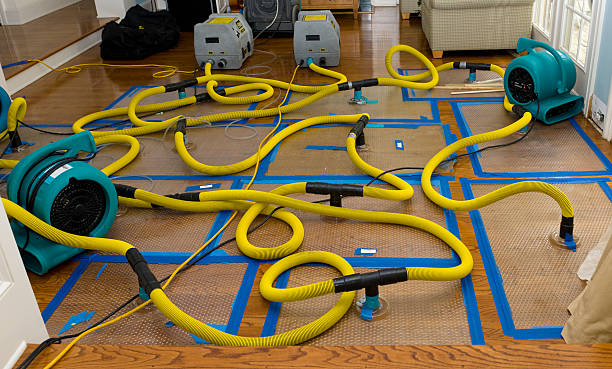
We map affected zones across the whole structure so drying equipment gets placed by priority, not by whichever room is closest to the door.

We assess every impacted room and level before deciding equipment placement, not just the first room we see.
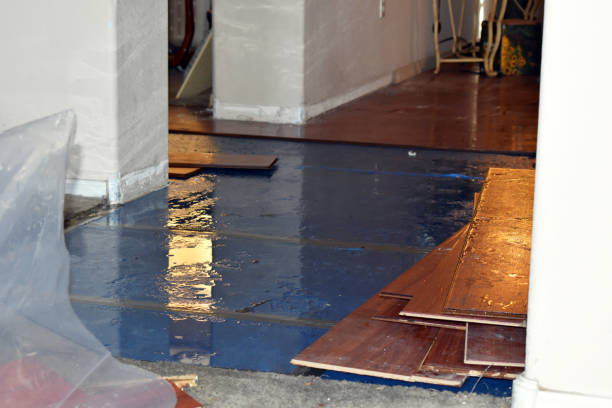
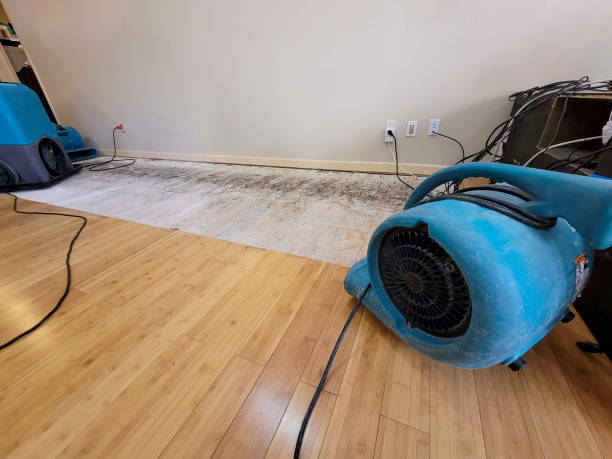
Flood-cut lines are measured to remove only what's actually saturated, preserving as much material as possible.
Drying equipment is allocated by zone priority — the most saturated areas get equipment first.
We control airflow and foot traffic to prevent moisture or contamination from spreading to dry areas.
A flood that spans multiple rooms needs more coordination than a single-room leak, and here's how our Tiffin, IA crews structure that response.

A full assessment identifies every zone before any drying plan is finalized.
We remove flooring, drywall, and insulation only where moisture readings confirm it's necessary.
Each affected zone gets equipment sized to its specific moisture load.
Content restoration runs in parallel with structural drying to save time.
Containment barriers and controlled airflow keep unaffected rooms from being drawn into the drying zone.
Affected surfaces get antimicrobial treatment once drying is confirmed complete.
A few details about affected rooms help us size the response before arrival.
Multiple technicians arrive when the reported scope calls for it, not just one truck.
You'll see the full zoned plan and cost before drying begins.
We don't close the file until each affected zone hits dry standard, not just the average.

"Our whole first floor flooded from a burst supply line and they had a plan mapped out within the first hour, not just people running around." — Yolanda P.
"They kept the flood contained to the affected rooms instead of letting it spread through the whole house during drying." — Trent H.
"Flood-cut work was precise — they only removed drywall where it was actually wet, not the whole wall." — Simone A.
Multi-room floods require zone mapping and crew scaling that a single contained leak doesn't need.
Flood-cut precision limits removal to what's actually necessary.
We physically separate affected zones so moisture and contamination don't migrate.
Timeline scales with scope — a two-room flood dries faster than a whole first floor.
Content restoration is part of the full Flood Damage Restoration scope, not a separate service.
Our zone-based approach extends across levels, with each floor assessed and mapped separately.
Our Tiffin, IA flood teams cover Tiffin and nearby communities with multi-crew capacity for larger losses.

Speak directly with our Tiffin, IA flood response team.
Call +1-844-833-1325